
Quick Answer
Choosing between cosmetic bonding vs teeth whitening in London, ON depends on what you want to change. Whitening brightens the natural shade of healthy teeth, while bonding rebuilds chips, gaps, and worn edges using tooth-coloured resin. At Stoney Creek Family Dental, both treatments are quick, comfortable, and require little to no downtime.
Picture a first appointment where you already know exactly what happens in the chair, how long it takes, and what your smile will feel like afterward. That clarity is the point of this guide. When patients weigh cosmetic bonding vs teeth whitening in London, ON, the real question is rarely “which is better” but rather “which one fixes what I actually see in the mirror.” Both are offered at Stoney Creek Family Dental, and each solves a very different problem with its own recovery expectations.
Cosmetic Bonding vs Teeth Whitening: The Core Difference
Whitening lifts stains and lightens the existing colour of your enamel. Bonding, however, physically adds material to reshape a tooth. Consequently, whitening suits smiles that are structurally sound but dulled by coffee, tea, or age. Bonding, in contrast, repairs chips, closes small gaps, and smooths uneven edges. Understanding this distinction early makes the rest of your decision straightforward.
Furthermore, the two treatments are not mutually exclusive. Many patients whiten first, then bond afterward so the resin can be matched to a brighter shade. Your dentist will map out the sequence during your consultation.
When Teeth Whitening Is the Better Fit
Professional teeth whitening works best when your teeth are intact but discoloured. Specifically, it targets surface and deeper stains without altering tooth shape. Additionally, in-office whitening delivers results far faster than store-bought strips, and it is supervised to protect your gums.
When Cosmetic Bonding Makes More Sense
Cosmetic bonding suits smiles with visible imperfections in the tooth structure itself. For example, a chipped front tooth, a stubborn gap, or a worn edge responds beautifully to bonding. Moreover, bonding preserves most of your natural enamel because little to no drilling is required.
Step-by-Step: What Teeth Whitening Actually Involves
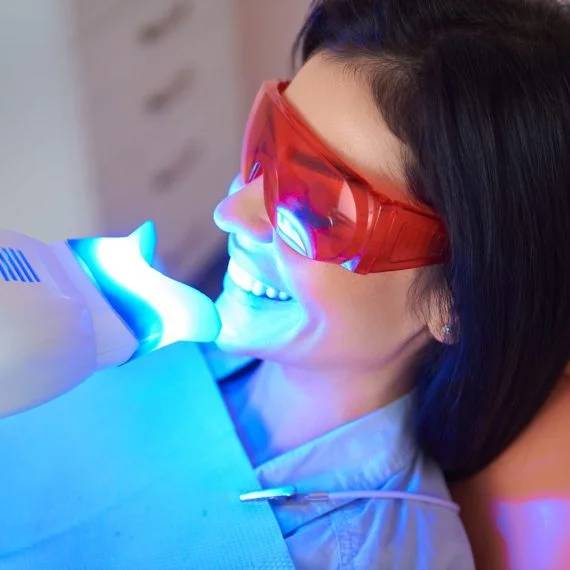
Direct answer: professional whitening is a single, comfortable visit that usually takes under an hour. First, your dentist cleans the teeth and shields your gums. Next, a professional-strength gel is applied and often activated in stages. Finally, the gel is rinsed away and your new shade is recorded.
Recovery is refreshingly simple. However, some patients notice temporary sensitivity to hot or cold for a day or two. Consequently, we recommend avoiding deeply pigmented foods like red wine and berries for roughly 48 hours. After that window, you return to normal eating with a noticeably brighter smile.
Step-by-Step: What Cosmetic Bonding Involves
Direct answer: bonding is typically completed in one visit, often without anaesthetic. First, your dentist selects a resin shade that matches your natural teeth. Then the tooth surface is gently prepared so the material adheres well. Afterward, the resin is sculpted into shape and hardened with a curing light. Finally, the surface is polished until it blends seamlessly.
Recovery expectations here are equally gentle. Because bonding rarely touches the nerve, most patients feel completely normal immediately. Nevertheless, the bonded area needs mindful care. Specifically, avoid biting hard objects like ice or pen caps, since resin is strong but not indestructible. With good oral hygiene, bonded teeth stay attractive for years.
Comparing Longevity, Comfort, and Maintenance
Whitening results generally last several months to a couple of years, depending on your diet and habits. Bonding, meanwhile, often lasts five years or more before a touch-up. Additionally, both treatments benefit enormously from consistent home care and routine professional cleanings.
According to the Canadian Dental Association, maintaining strong daily oral hygiene protects both cosmetic and restorative results. Furthermore, the Ontario Dental Association emphasizes regular checkups to catch small issues before they compromise your smile. We fold both treatments into a wider plan for long-term periodontal health and restorative care.
How We Help You Decide in London, ON
During your consultation, we examine your enamel, gum condition, and the specific changes you want. Subsequently, we explain honest expectations for each option rather than pushing one path. If a broader transformation appeals to you, we may suggest a full smile makeover that combines several techniques. You can review the complete list of treatments on our services page.
Ultimately, empowered patients make confident choices. Therefore, our team takes the time to answer questions, show examples, and walk you through every step before anything begins.
Frequently Asked Questions
Does teeth whitening damage enamel?
No, professional whitening supervised by a dentist is safe for enamel. However, temporary sensitivity can occur and typically fades within a day or two.
Can cosmetic bonding be whitened later?
No, resin does not respond to whitening gel the way natural teeth do. Therefore, we usually recommend whitening first, then matching your bonding to the new shade.
Which option is faster?
Both are quick, but each is typically finished in a single appointment. Whitening changes colour, while bonding repairs shape, so the right choice depends on your goal.
How do I keep either result looking good?
Maintain daily brushing and flossing, limit staining drinks, and attend regular cleanings. Additionally, avoid biting hard objects to protect bonded surfaces.
Ready to Brighten or Repair Your Smile?
Whether you lean toward whitening, bonding, or a combination of both, our London team is ready to help. Contact Stoney Creek Family Dental through our contact page to book your cosmetic consultation today.