
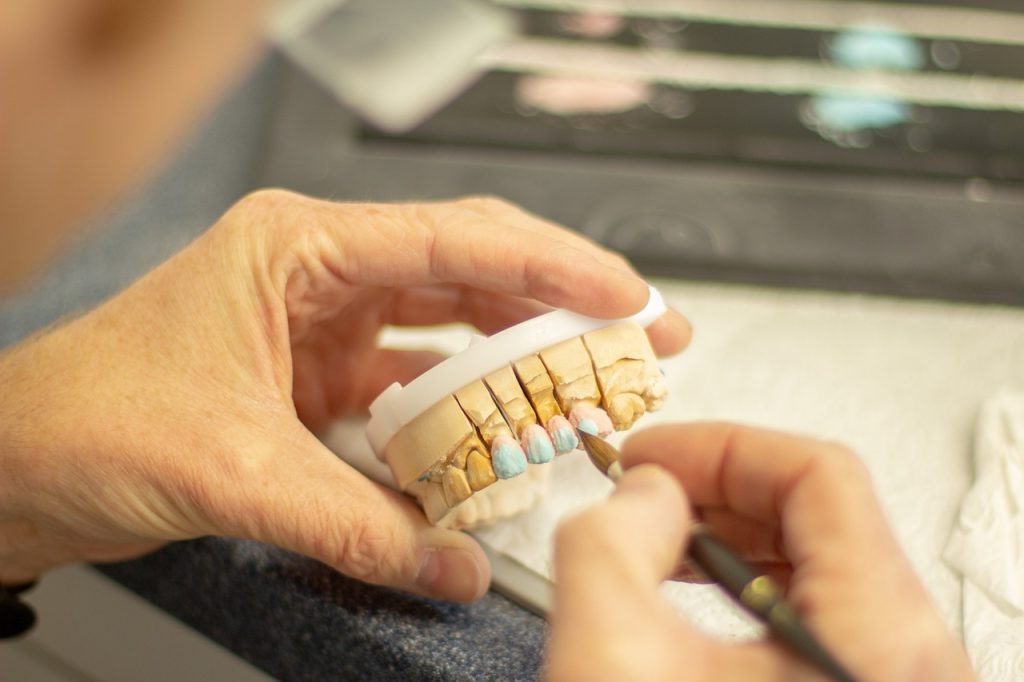
Quick Answer: Inlays and onlays are custom-made restorations that a lab or milling unit creates outside the mouth and the dentist then bonds into a damaged back tooth. An inlay fits inside the cusps, and an onlay covers one or more cusps. Your dentist will usually suggest one when a cavity or crack is too large for a filling to hold up well, but enough healthy tooth remains that a full crown would remove more structure than needed.
You might hear the words “inlay” or “onlay” for the first time after a checkup, often when your dentist says a cavity is “a bit too big for a filling.” That sounds alarming, but it is usually good news. At Stoney Creek Family Dental, our team offers inlays and onlays in London for patients whose teeth need more support than a filling can give, without the larger reshaping a crown requires. This guide covers what these restorations are, who they suit, and how they compare with the other options.
What Are Inlays and Onlays?
Inlays and onlays are indirect restorations. In other words, they are made to measure outside your mouth and then bonded to the tooth. A standard filling is different, because the dentist shapes it directly inside the tooth during one visit.
The difference between the two comes down to the cusps, which are the raised points on the chewing surface of your molars and premolars.
- An inlay sits within the grooves between the cusps, much like a puzzle piece.
- An onlay reaches over one or more cusps to rebuild and protect them. For this reason, people sometimes call it a “partial crown.”
Both are usually made from tooth-coloured materials such as ceramic or composite resin. As a result, they blend in with the rest of your smile. The Ontario Dental Association describes a range of common dental procedures, and inlays and onlays sit between fillings and crowns on that spectrum.
When Is a Filling Not Enough?
A filling stops being the best choice when the tooth has lost so much structure that the remaining walls cannot properly support a material placed directly. Large direct fillings have to absorb heavy chewing forces. Over time, they can wear, leak at the edges, or let a weakened cusp crack.
Your dentist may recommend an inlay or onlay in situations like these:
- A cavity covers a large part of the chewing surface.
- An old, oversized filling has started to break down or decay again around its edges.
- A cusp has cracked or chipped, but the rest of the tooth is sound.
- A back tooth has had root canal therapy and needs strong, protective coverage.
That last point deserves a closer look. Teeth that have had a root canal often lose a lot of their inner structure. Specifically, a systematic review in Dental Materials noted that partial adhesive restorations have been widely proposed to increase the survival rate of endodontically treated teeth. An onlay can therefore be a conservative way to protect a tooth after treatment.
Inlays and Onlays vs. Crowns: Why Choose the Middle Option?
An onlay keeps more of your natural tooth than a crown does. To fit a crown, the dentist reshapes the tooth on every side so the cap can slide over it. With an onlay, however, the dentist removes only the damaged or weakened areas.
Saving healthy enamel matters. Once removed, it does not grow back. Consequently, many dentists now favour the most conservative restoration that will still do the job reliably.
Still, a crown remains the better choice in some cases. If a tooth is broken across most of its surface, or very little healthy structure is left, full coverage gives more protection. At your consultation, our dentists will look at your X-rays and the tooth itself and explain which option fits best. We also provide crowns and bridges, so the advice centres on your tooth rather than on one procedure.
A Quick Comparison
Filling: Best for small to moderate cavities. It is completed in one visit and costs the least.
Inlay or onlay: Best for larger damage where strong tooth walls remain. It is custom-made for a precise fit and preserves more of the tooth than a crown.
Crown: Best when the tooth is badly broken or heavily weakened. It covers and protects the entire visible tooth.
What to Expect When Getting Inlays and Onlays in London
Most patients need two visits. At the first appointment, your dentist numbs the area, removes any decay or old filling material, and shapes the tooth. Next, the team captures the shape of your tooth so the restoration can be made to fit it exactly. You then leave with a temporary restoration protecting the tooth.
At the second visit, the dentist removes the temporary, checks the fit and colour of your new inlay or onlay, and bonds it in place. Finally, they check your bite so that chewing feels natural.
If dental visits make you anxious, tell us. Our London team regularly takes extra time for nervous patients, and we offer nitrous oxide, oral sedation and IV sedation when appropriate. In addition, our evening and weekend hours make it easier to fit two appointments around work or school.
Ceramic or Composite Resin?
Both materials are tooth-coloured, but they behave a little differently. Ceramic tends to resist staining and closely imitates the translucency of natural enamel. Composite resin is gentler on opposing teeth and easier to repair if needed. Notably, a 2022 systematic review and meta-analysis in the Journal of Conservative Dentistry compared the clinical performance of ceramic and resin inlays, onlays and overlays, reflecting how common these tooth-coloured partial restorations have become. Your dentist will recommend a material based on where the tooth sits, how hard you bite, and whether you grind your teeth.
Caring for Your Inlay or Onlay
You care for an inlay or onlay much as you care for a natural tooth. Brush twice a day, floss daily, and keep up with regular checkups and professional cleanings. Those visits let us spot early wear or decay around the edges before it becomes a bigger problem.
If you clench or grind at night, a custom night guard can also protect your restoration. Furthermore, it is wise to avoid chewing ice, pens or very hard candy with the restored tooth.
Is an Inlay or Onlay Right for You?
The only way to know is a proper exam. Some teeth that look badly damaged are excellent candidates for an onlay. Others with small visible chips turn out to need more coverage. Our team at 774 South Wenige Drive will take digital X-rays, walk you through what we see, and explain your choices in plain language.
You can read more about the treatment on our Inlays & Onlays service page. We also accept the Canadian Dental Care Plan (CDCP) and will help you understand your coverage before treatment begins.
Frequently Asked Questions
How long do inlays and onlays last?
With good oral hygiene and regular checkups, inlays and onlays can last many years. Their lifespan depends on the material, the size of the restoration, your bite, and habits such as grinding.
Does getting an inlay or onlay hurt?
Most patients feel very little, because the dentist numbs the area first. Some mild sensitivity for a few days afterward is normal. Sedation options are also available for anxious patients.
Is an onlay better than a crown?
An onlay is not better in every case, but it is more conservative. It keeps more of your natural tooth. However, a crown is the safer choice when most of the tooth is broken or weakened.
Can an old filling be replaced with an inlay or onlay?
Yes. Large, worn or failing fillings are one of the most common reasons for an inlay or onlay. Your dentist will check whether enough healthy tooth remains to support one.
Book Your Restorative Consultation
If you have a large filling, a cracked cusp, or a tooth that feels sensitive when you chew, an exam is the right next step. Our dentists will tell you honestly whether a filling, an onlay or a crown makes the most sense. To discuss inlays and onlays at our London clinic, contact Stoney Creek Family Dental today. We have evening and weekend appointments available.
Sources & References
- Ontario Dental Association: Common Dental Procedures
- The influence of indirect bonded restorations on clinical prognosis of endodontically treated teeth: A systematic review and meta-analysis (Dent Mater, 2022)
- Comparative evaluation of clinical performance of ceramic and resin inlays, onlays, and overlays: A systematic review and meta analysis (J Conserv Dent, 2022)